
Introduction
Technology is continually evolving and is widely used by businesses to deliver services. People now use various digital platforms, including mobile applications, e-commerce websites, and online banking systems, which must be developed and maintained effectively.Full Stack Product Engineering involves developing and maintaining complete digital products. It combines several disciplines, including frontend development, backend development, database management, testing, and deployment. This approach helps developers understand the complete product development lifecycle and create solutions that meet business and customer requirements.Many organisations, such as Login360,Full Stack Product Engineering,Chennai operate within the technology and digital sectors, making product engineering skills increasingly valuable for aspiring professionals.
What Is Full Stack Product Engineering?
Full Stack Product Engineering refers to the development and maintenance of an entire software product, incorporating both client-facing and server-side components.Various technologies work together to create reliable, scalable, and user-friendly digital products.
The key disciplines include:
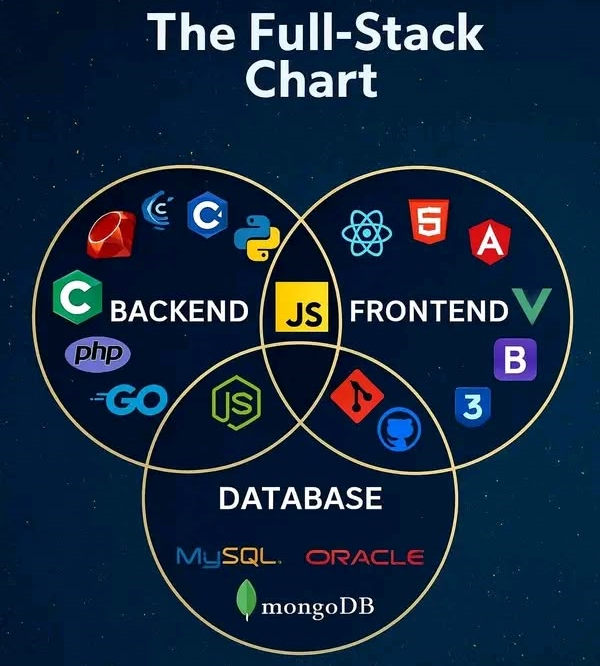
- Frontend Development: Creates the visual elements that users interact with. Common technologies include HTML, CSS, JavaScript and frameworks such as React and Angular.
- Backend Development: Handles application logic, authentication, server operations, and data processing.
- Database Management: Stores, organises, and retrieves application data using technologies such as MySQL and MongoDB.
- Testing: Identifies errors and verifies that applications function correctly.
- Deployment: Makes completed applications accessible through hosting platforms and cloud servers.
Key Skills for Full Stack Product Engineers
1. Coding Skills
Developers use programming languages to create digital products. Popular languages include JavaScript, Python, Java, and PHP. Understanding programming fundamentals helps professionals develop efficient applications.
2. Frontend Development
Professionals should understand frontend technologies such as HTML, CSS, and JavaScript, along with frameworks like React and Angular. These technologies help create responsive and engaging user interfaces.
3. Backend Development
Developers need knowledge of server-side programming, APIs, authentication, and application logic. Common backend technologies include Node.js, Python, and Java.
4. Database Knowledge
Database skills are important for storing, organising, and retrieving information. Popular technologies include MySQL, PostgreSQL, and MongoDB.
5. Problem-Solving and Communication
Technical expertise alone is not sufficient. Engineers also need problem-solving, teamwork, analytical thinking, and communication skills to handle real-world development challenges.
Learning Full Stack Product Engineering in South India
The technology sector is expanding across South India, creating employment opportunities in cities such as Chennai, Coimbatore, and Kochi.Chennai is an important technology hub where companies work on software development, digital transformation, and product engineering projects.Login 360, for example, is a Chennai-based company operating in the technology and digital services sector. Students can explore Login 360 Technology Services to understand different areas of the technology industry.Similarly, individuals interested in opportunities in other South Indian cities can explore Full Stack Product Engineering Course in Coimbatore. Researching technology companies and their services helps students understand industry expectations and identify suitable career opportunities.Learning these tools helps students understand modern software development practices and prepares them for practical projects.
Commonly Used Tools for Full Stack Product Engineering
Full Stack Product Engineers use different tools to develop, test, and manage software applications. Some commonly used tools include:
- Visual Studio Code: Used for writing, editing, and managing code.
- Git and GitHub: Help developers track code changes and collaborate with team members.
- React: Used to build interactive user interfaces for websites and applications.
- Node.js: Supports backend development and server-side operations.
- MySQL: Helps store, organise, and manage application data.
- Postman: Used to test APIs and check communication between applications.
- Docker: Helps package applications into containers for consistent development and deployment.
- AWS: Provides cloud services for application hosting, storage, and deployment.
These tools help developers improve productivity, manage development tasks, and build reliable software products.
Full Stack Product Engineering Process
- Requirement Gathering: Understand business objectives, customer expectations, and product requirements.
- Planning and Design: Prepare wireframes, application architecture, and development plans.
- Development: Build frontend interfaces, backend services, and database connections.
- Testing: Conduct functional, performance, and security testing to identify potential issues.
- Deployment: Launch the completed application using suitable hosting or cloud platforms.
- Ongoing Maintenance: Monitor performance, resolve errors, and introduce improvements based on customer feedback.
Career Paths in Full Stack Product Engineering
Full Stack Product Engineering offers several career opportunities for students, fresh graduates, and experienced professionals.Popular job roles include:
- Full Stack Developer: Develops both frontend and backend components of applications.
- Frontend Developer: Creates responsive and interactive user interfaces.
- Backend Developer: Develops server-side applications, APIs, and business logic.
- Software Engineer: Designs, develops, and maintains software applications.
- QA Engineer: Tests applications and identifies software defects.
- DevOps Engineer: Supports automation, deployment, and infrastructure management.
As more businesses adopt digital technologies, professionals with full stack development knowledge can explore opportunities in IT companies, startups, and product-based organisations.
How to Pursue a Career in Full Stack Product Engineering
Students interested in entering this field can follow a practical learning approach:
- Learn the fundamentals of HTML, CSS, and JavaScript.
- Choose a frontend framework such as React.
- Develop backend programming skills using Node.js or Python.
- Understand databases and API integration.
- Practise using Git and GitHub for version control.
- Build practical projects such as e-commerce websites and task management applications.
- Create a professional portfolio and prepare for technical interviews.
Project-based learning allows students to demonstrate their technical abilities and improve their confidence during interviews.
Conclusion
Full Stack Product Engineering plays an important role in modern digital product development. It combines different technologies, development practices, and engineering skills to create complete software solutions.By learning programming languages, frontend and backend technologies, databases, and testing tools, aspiring developers can prepare for various career opportunities in the IT industry.Consistent practice, real-world project experience, and an understanding of industry requirements can help students establish a strong foundation for a successful career in full stack product engineering.Learners looking for structured guidance can also explore the Full Stack Product Engineering Course,Kochi which covers frontend, backend, databases, testing, and AI-aided product development, and check its curriculum and tuition details directly.
Frequently Asked Questions (FAQs)
1. What is Full Stack Product Engineering?
Full Stack Product Engineering is the process of developing complete software products by combining frontend, backend, database management, testing, and deployment.
2. What skills are required for Full Stack Product Engineering?
Important skills include HTML, CSS, JavaScript, React, Python, Node.js, database management, API integration, and problem-solving.
3. Which programming languages are used in Full Stack Product Engineering?
Popular programming languages include JavaScript, Python, Java, and PHP. The choice depends on project requirements.
4. What tools are commonly used in Full Stack Product Engineering?
Developers commonly use Visual Studio Code, GitHub, React, Node.js, MySQL, Postman, Docker, and AWS.
5. Is Full Stack Product Engineering a good career option?
Yes. It offers opportunities in software development, web application development, product engineering, and technology services.