

Table of Contents
Introduction
Cloud-based Data analytics has transformed the way organizations collect, process, and analyze data. Instead of relying on expensive on-premises infrastructure, businesses can use cloud platforms to store vast amounts of information and generate valuable insights from anywhere in the world. This technology enables organizations of all sizes to make faster, data-driven decisions while reducing operational costs. As digital transformation continues to accelerate, cloud analytics has become an essential tool for improving efficiency, enhancing customer experiences, and staying competitive in today’s data-driven business environment.
What is Cloud-Based Data Analytics?
Cloud-based Data analytics refers to the process of storing, processing, and analyzing data using cloud computing platforms instead of local servers. Businesses upload their data to cloud environments where advanced analytical tools process information in real time. This approach allows users to access dashboards, reports, and visualizations from any location with an internet connection. Cloud analytics eliminates the need for expensive hardware while providing greater flexibility and scalability for organizations handling growing volumes of data.
How Cloud-Based Data Analytics Works
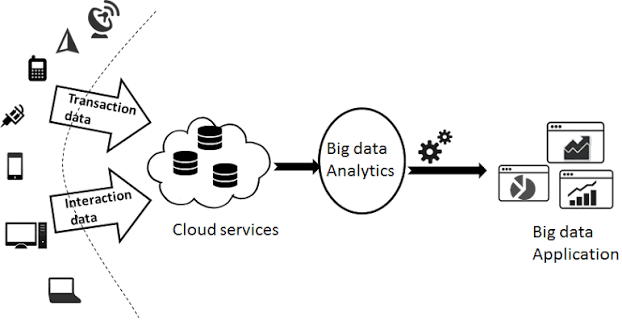
Cloud analytics begins by collecting data from multiple sources such as websites, mobile applications, IoT devices, customer databases, and business software. The collected data is securely stored in cloud storage, where it is cleaned, processed, and organized. Analytical tools then apply statistical methods, machine learning algorithms, and visualization techniques to generate meaningful insights. Users can access interactive dashboards and reports through web browsers, enabling faster decision-making across different departments.
Key Benefits of Cloud-Based Data Analytics
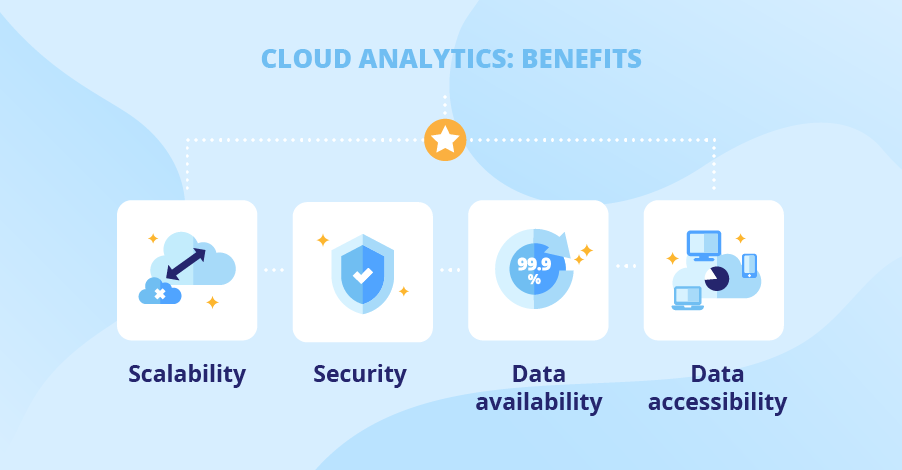
- Scalability Easily increase or decrease computing resources based on business needs.
- Cost Efficiency Eliminates the need for expensive physical servers and maintenance costs.
- Real Time Insights Processes data quickly for faster business decisions.
- Remote Accessibility Enables teams to access reports from anywhere with internet connectivity.
- Improved Collaboration Multiple users can work on the same datasets simultaneously.
- Automatic Updates Cloud providers regularly update software with new features and security improvements.
Industries Leveraging Cloud Analytics
- Healthcare-Cloud-based Data analytics helps healthcare providers securely manage patient records and analyze medical data in real time. It also supports disease prediction, improves treatment planning, and enhances overall patient care.
- Retail-Use cloud analytics to understand customer preferences, monitor inventory levels, and evaluate sales trends. These insights help optimize stock management and create personalized shopping experiences.
- Banking and Finance-Financial institutions leverage cloud analytics to detect fraudulent transactions, assess financial risks, and analyze market trends. This enables safer operations and supports better investment and lending decisions.
- Manufacturing-Use cloud analytics to monitor machine performance, predict maintenance needs, and improve production efficiency. This reduces downtime, lowers operational costs, and increases product quality.
- Education-Use cloud analytics to track student performance, identify learning gaps, and improve teaching strategies. It also enhances online learning by providing personalized educational experiences.
- E-commerce-Companies analyze customer browsing behavior, purchase history, and preferences using cloud analytics. This helps deliver personalized product recommendations, improve customer satisfaction, and increase sales.
Challenges of Cloud-Based Data Analytics
Data Security Risks
Protecting sensitive business and customer information from cyberattacks, unauthorized access, and data breaches remains one of the biggest challenges in cloud-based analytics. Organizations must implement strong security measures such as encryption, multi-factor authentication, and regular security monitoring.
Privacy Compliance
Businesses must comply with data protection regulations such as GDPR, HIPAA, and other regional privacy laws. Failure to meet these compliance requirements can result in legal penalties, financial losses, and damage to the organization’s reputation.
Internet Dependency
Cloud-based analytics relies heavily on a stable and high speed internet connection. Poor network connectivity or internet outages can interrupt access to data, delay analysis, and impact business operations.
Vendor Lock-In
Migrating data and applications from one cloud provider to another can be difficult, time-consuming, and costly. Organizations should carefully evaluate cloud vendors and adopt flexible strategies to minimize long-term dependency.
Integration Issues
Many businesses still use legacy systems that may not integrate easily with modern cloud platforms. Ensuring seamless data migration and system compatibility often requires additional planning, technical expertise, and investment.
Cost Management
Although cloud services reduce infrastructure costs, poor resource allocation, unnecessary storage, and inefficient usage can lead to higher-than-expected cloud expenses. Regular monitoring and optimization are essential to control operational costs effectively.
Best Practices for Successful Cloud Analytics Implementation
- Choose the Right Cloud Platform Select a provider that offers strong security, scalability, and reliable customer support based on your business needs.
- Ensure Data Security Use encryption, multi-factor authentication, and regular security audits to protect sensitive business data.
- Maintain Data Quality Clean and validate data before analysis to ensure accurate and reliable insights.
- Train Employees Provide training so employees can effectively use cloud Data analytics tools and interpret reports.
- Monitor Performance Regularly Continuously track system performance and optimize resources to improve efficiency and reduce costs.
Future Trends in Cloud-Based Data Analytics
- AI-Powered Analytics Artificial intelligence will automate data analysis and generate faster, more accurate business insights.
- Machine Learning Integration Predictive models will help businesses forecast trends and customer behavior more effectively.
- Edge Computing Processing data closer to its source will reduce latency and improve real-time decision-making.
- Hybrid and Multi-Cloud Adoption Organizations will combine multiple cloud environments for greater flexibility and resilience.
- Self-Service Analytics Business users will be able to analyze data independently without relying heavily on IT teams.
Common Mistakes to Avoid in Cloud Data Analytics
Ignoring Data Governance Poor data management practices can result in inaccurate, inconsistent, and unreliable business insights. Overlooking Security Measures Weak security controls increase the risk of cyberattacks, unauthorized access, and data breaches. Migrating Without Proper Planning Moving data to the cloud without a clear strategy can lead to downtime, data loss, and implementation delays. Failing to Optimize Cloud Costs Leaving unused resources running or selecting unsuitable pricing plans can significantly increase operational expenses. Neglecting Employee Training Employees who lack proper training may struggle to use cloud analytics tools effectively, reducing overall productivity. Not Monitoring System Performance Failing to regularly monitor cloud performance can result in slower processing, reduced efficiency, and missed opportunities for optimization.
Conclusion
Cloud-based data analytics continues to transform how organizations manage and interpret data in today’s digital landscape. It offers benefits such as improved scalability, cost savings, real-time insights, and enhanced collaboration, making it an essential technology for businesses of all sizes. At the same time, organizations must address challenges related to data security, compliance, integration, and cloud cost management to maximize its value. By following best practices and choosing the right cloud platform, businesses can successfully implement cloud analytics and achieve long-term growth. As technologies like artificial intelligence, machine learning, and edge computing continue to evolve, Data analytics will become even more powerful, enabling smarter decisions and greater business innovation.