

Introduction:
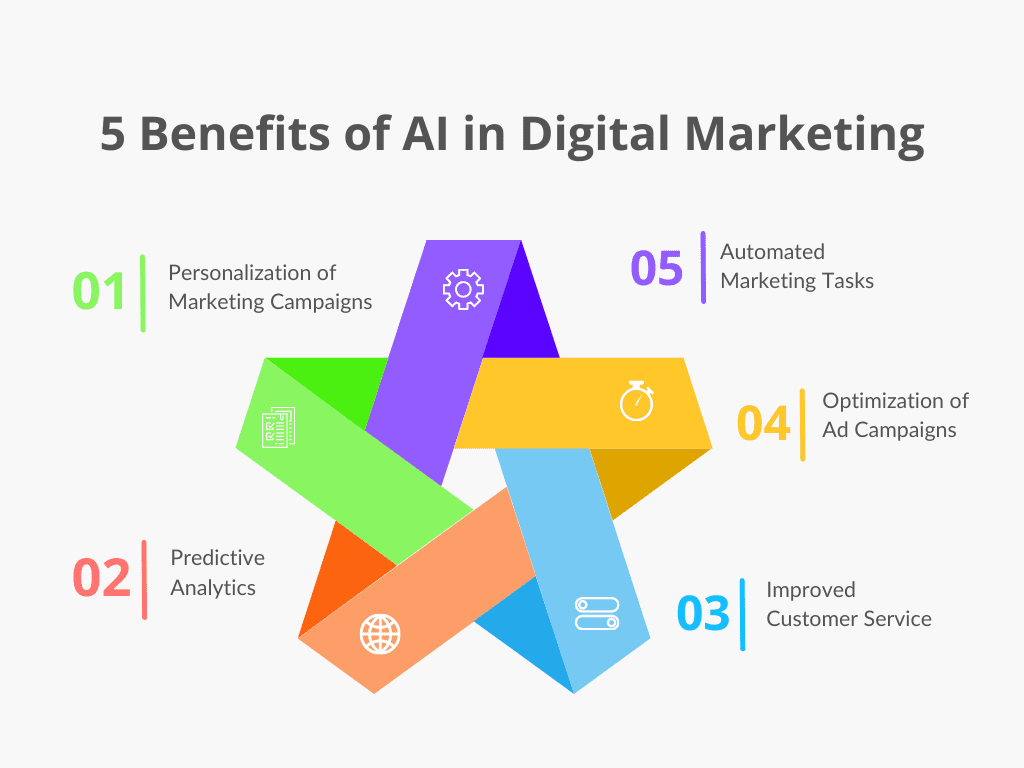
The use of Artificial Intelligence in digital marketing is helping marketers to research, create, engage with and report on their audience. AI can help your small team carry out analysis on large amounts of feedback, give initial drafts of work, or test multiple campaigns. But to truly get the most from AI, you still need to understand your customers and have clear goals and expectations.Many marketers use AI in their workflows. digital marketing training in chennai Canva found 97% of the marketing leaders they surveyed use AI in their everyday creative work. 87% Of consumers think the best advertising still needs a human element. 1415 Marketing leaders and 3547 consumers were surveyed across seven countries.This guide outlines common AI tools used in marketing, benefits, and explains how to use them.
What does AI mean for digital marketing?
There are many different tools that can be used in digital marketing. Common tools that use AI can help with creating content, analysing data, automating tasks and making predictions. There are standalone tools and integrated tools for your advertising, design, email, CRM and analytics.Using AI tools can help suggest audience segments, create drafts of emails, create variations of designs, summarise campaign feedback and answer common questions. It can help speed up certain processes but people will still need to decide what questions are asked, review the output and what will be published.
AI tools for marketing
Depending on your goals and what systems you have in place, you can choose the right tools. Understand what you want to improve.
Common categories include:
- Content & Design Tools – Canva Magic Studio can help create and tailor designs. Adobe Express has templates and AI tools to create graphics and videos. This can help with social media posts, campaign designs and other branded content. [Canva Magic Studio][Adobe Express for Business]
- Advertising Tools – Google Ads has AI tools to help with your campaigns. Performance Max uses AI to help with bids, targeting and assets. You will need to enter your goals, budgets and creatives and review your campaign and settings. [Performance Max Overview]
- CRM & Marketing Automation Tools – Many platforms such as HubSpot have AI tools. For example its 2026 updates include Breeze tools and AI visibility in search. [Spring 2026 Updates]
- Analytics & Research Tools – AI can help summarise insights, group data and show trends. Before connecting to your customer data, ensure you understand how they use the data and what information they can see.
1. Audience Insights
An important role of artificial intelligence Digital Marketing is to help marketers understand their audience. AI can be used to assess feedback, surveys, web analytics and campaign content to group your feedback together. This will show you what are customers talking about, what are they commonly asking and when there are changes in engagement. By doing this, marketers can understand what needs to change to meet the needs of their customers. For example, if there are commonly asked questions then perhaps the instructions on how to use your service need to be clearer. You can also see which channels and audience segments are receiving the most engagement. This means you can test ways of improving, like changing your landing page or creating a more relevant follow up email. However, always ensure that the results from your AI are only a starting point. Make sure your data is accurate, that it represents your target audience and that you have ensured customer privacy. By combining AI with human insight you are giving your business data driven decisions and creating a more beneficial experience.
For example, you might use AI to:
- Identify common questions in product reviews.
- Understand how engaged different audience segments are with your campaign.
- Summarise feedback after a product launch.
- These should be seen as hints. Ensure you review the data, check that it is representative and involve those who know your customers and product.
2. Content Creation
AI can help generate headline ideas, outlines, variations of emails and help tailor approved content. It can be a great way to gain some ideas for your content.Start by giving the AI some information on your audience, what the content is for, the tone and format. best digital marketing course in coimbatore Ask for a few ideas. Add any original research, examples from customers and expert knowledge. Ensure someone checks the facts, brand voice and that it is useful.AI can create content that sounds good but isn’t accurate. Google states that AI can be useful for research and structuring but if you are creating lots of pages with no added value to the reader then you may be falling foul of their scaled content abuse policy. They also recommend ensuring that any AI-generated content is fact checked.
3. Search Improvements
Conversational Search and AI mean people are asking more specific questions. Google notes the average AI Mode search query in the US is 3x longer than a traditional search query, which indicates some people want more specific information. Google has done an analysis into this: For marketers, it’s good to know what complete questions your customers are asking. To answer these questions, it’s best to create clear content that answers the question. This should include descriptive headings, up-to-date facts and relevant examples. Long-form content that explains something well will be more helpful to readers than content that just repeats a short keyword. Brands can use customer support chats, site searches and sales queries to see what topics they should create content for. However, just because the searches are longer does not mean all customers are using AI search. Just because you have long-form content does not mean it will appear. It’s important to know where traffic is coming from and keep improving content to meet the real needs of customers.
Use clear headings.
- Keep your product information, pricing and service up to date.
- Include real expert knowledge and examples.
Whilst there is nothing you can guarantee will appear in an AI generated response, ensure you have a strong presence on search, referral, social, email and direct. Monitor how your customers are finding you.
4. Paid Campaign Testing
Tools using AI can help you create variations of creatives, manage your bids or find your audience within their inventory. Google Ads has a campaign called Performance Max which uses AI. You enter your goals, budget and assets and it will run your campaign across Google channels. [Google Product Info]
To use these tools effectively ensure:
- You have a clear goal for your campaign and conversion.
- Ensure your product information is accurate and you have a variety of creatives.
- Test one or a few changes.
- Ensure you are looking at quality leads, sales and returns.
Although these are automated tools, you will still need some knowledge of the platform. Ensure you have some Google Ads knowledge to ensure your goals are set correctly, understand budgets and targeting and review the suggestions. Ensure your generated adverts are accurate and aren’t promising more than you can deliver.
5. Customer Journey Personalisation
AI can help personalise what follow up content you send. Based on where they are in the purchase journey or what they want to know about, New subscribers may be sent a welcome email while existing customers may be sent some tips or a relevant update.
Some useful personalisation includes:
- Onboarding tips.
- Recommendations for related guides or products.
- Tailoring examples in your campaign for different languages/regions.
Ensure that your personalisation is genuine with your personalisation. Canva and The Harris Poll found 52% of consumers felt it was intrusive when they received an advert that appeared to know what they were going to purchase before they even searched. Be transparent with how you are using their data, respect their consent and don’t use information just because it is available. [2026 Survey]
6. Customer Support
Ai in digital marketing can be used in customer service. Chatbots can provide answers to frequently asked questions, direct customers to the right place for support and collect information. Chatbots are a great way to answer those with clear answers. Using an AI assistant allows customers to get clear answers on delivery options or where to find product guides. This reduces waiting times and enables your team to spend more time dealing with more complex requests. The chatbot should be using up-to-date and approved information..best digital marketing course in kochi You should also make it clear to the customer they’re interacting with an AI. Ensure queries that require billing details, sensitive issues, complaints and unique issues are passed through to a member of the support team. Ensure you’re regularly reviewing chat logs to ensure answers are accurate and identifying commonly asked questions. These can then be used to update FAQs, product pages or emails.
Ensure they:
- Have accurate and approved information.
- Pass complex or sensitive queries to a human.
- Be clear this is an automated assistant.
- Learn from common questions and gaps in your support.
Regularly review the conversations. If they are providing incorrect information or causing frustration this can cause issues with trust. Common questions may indicate you need to improve your product pages, FAQs or customer emails.
Responsible AI Strategy
Before using any tools decide what information it can use, who will review the output and how you will track success. Be careful with customer data, sensitive plans and unproven claims. Ensure you understand the provider’s privacy policy and follow your organisation’s policies.
Start simple by:
- Choosing one task that is commonly done and low risk.
- Decide what benefit it will bring and how you will track success.
- Ensure there is a process in place to check accuracy, privacy and brand voice.
- Compare with how it was done previously.
- Only scale once you have a reliable process.
For example, use AI to summarise campaign feedback. Check the summary matches the comments, track how much time it saves and decide if it helps with planning.
Conclusion:
Using AI can help digital marketers with researching, creating, testing and responding to customers. Using content, advertising, CRM and analytics tools can help with repetitive tasks and more options. As long as you use the right tools, have good information and review the output, it can be very valuable.A good strategy will utilise the technology while also preserving human elements. Ensure you are keeping your customers’ trust, checking any claims, tracking results and keeping the brand in mind. If you are using AI to help your team support your customers better and hold your team accountable then it can be a meaningful part of your effective digital marketing.
