
Table of Contents
Introduction
Search Engine Optimization (SEO) is an important part of digital marketing because it helps businesses improve their online visibility and attract potential customers. Among the different SEO techniques, link building plays a significant role in improving website authority and search engine performance. Understanding digital marketing backlinks is essential for businesses and SEO professionals who want to build a strong online presence.
Backlinks are links from one website to another. They help search engines discover web pages, understand website relationships, and evaluate the credibility of online content. Quality digital marketing backlinks can also bring referral traffic and increase brand awareness. In this blog, we will explore the meaning, types, benefits, and effective strategies for building backlinks.
What Are Digital Marketing Backlinks?
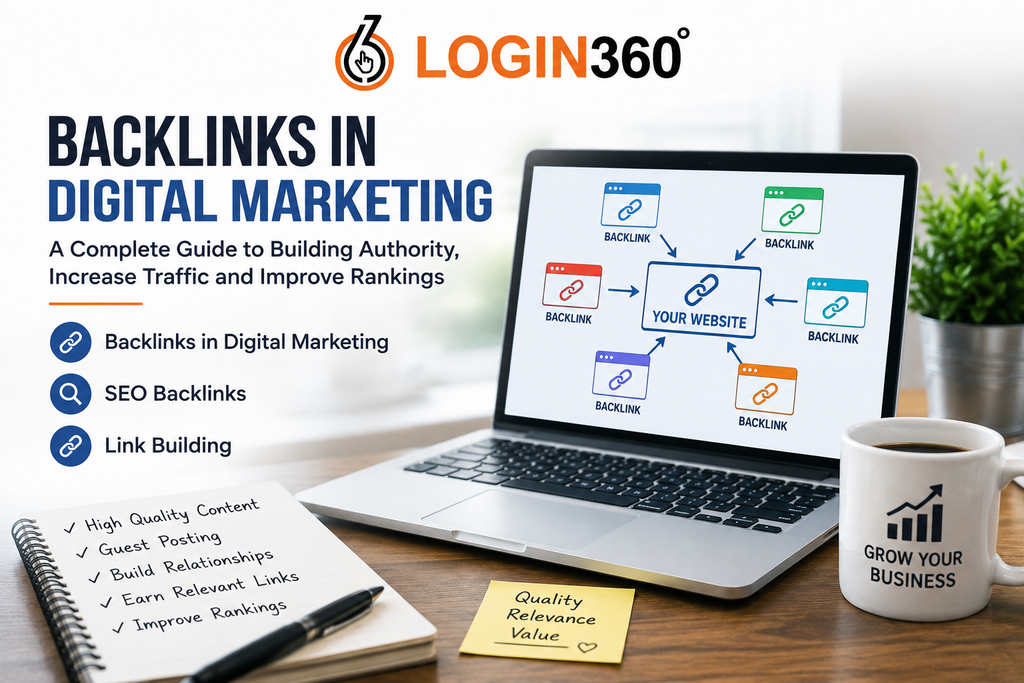
Digital marketing backlinks are hyperlinks placed on external websites that direct users to another website. They are also called inbound links or incoming links. Backlinks are an important part of off-page SEO because they help search engines understand how websites connect with each other.
For example, imagine a technology website publishes an article about the best digital marketing courses in India and includes a link to your website. When readers click that link, they visit your website. This is considered a backlink.
Not all backlinks provide the same SEO value. Links from relevant, trusted, and high-quality websites can support your website’s authority and visibility. Therefore, businesses should focus on earning quality links instead of collecting a large number of unrelated links.
Why Are Backlinks Important in Digital Marketing?
Backlinks are important because they can support different SEO activities and help businesses reach a wider online audience. Building relevant digital marketing backlinks can improve website credibility and create opportunities for organic growth.
- Improve Search Engine Rankings: Quality backlinks can support better search engine rankings. When relevant and authoritative websites link to your content, they provide useful signals about its value and credibility. Backlinks are among the factors Google uses to discover and evaluate web pages.
- Increase Website Traffic: Backlinks can bring visitors directly from external websites. When readers find useful links in articles, blogs, or resource pages, they may click through to learn more. This helps increase referral traffic and introduce your website to new audiences.
- Build Website Authority: Links from trustworthy websites can strengthen your website’s reputation. Developing digital marketing backlinks from relevant industry websites can help establish your business as a valuable source of information.
- Improve Brand Awareness: When other websites mention your business and link to your content, more people become familiar with your brand. This can increase brand recognition and help businesses reach potential customers.
- Help Search Engines Discover Content: Search engines use links to discover new pages and understand website structures. Backlinks from external websites can help search engines find your published content.
What Are the Different Types of Backlinks?
- DoFollow Backlinks: DoFollow backlinks are regular hyperlinks that can pass ranking signals from one website to another. These links can help search engines understand the relationship between websites and evaluate linked content.For example, when an industry-related blog naturally links to your website, it may provide SEO value and improve your website’s visibility.
- NoFollow Backlinks: NoFollow backlinks contain the rel=”nofollow” attribute. This attribute indicates that the website does not intend to endorse the linked page in the usual way.Although these links generally do not pass ranking credit in the same manner as regular links, they can still generate referral traffic and improve brand exposure.
- Sponsored Backlinks: Sponsored backlinks are links used in paid advertisements, sponsorships, or commercial partnerships. Google recommends using the rel=”sponsored” attribute to identify these links.Businesses should follow the correct linking guidelines when publishing sponsored content.
- UGC Backlinks: UGC stands for User-Generated Content. These links appear in online forums, discussion platforms, and user-generated comments. The rel=”ugc” attribute helps search engines identify links created within user-generated content.
Best Strategies to Build Digital Marketing Backlinks
- Guest Blogging: Guest blogging involves writing articles for other websites related to your industry. You can contribute informative content and include relevant links to your website when the publisher allows it.Choose websites that have a relevant audience and maintain good content quality. Guest blogging should focus on providing useful information rather than simply obtaining backlinks.
- Blog Submission: Blog submission involves publishing informative articles on external blogging platforms. This technique can help improve content visibility and create opportunities to build digital marketing backlinks.Always choose relevant publishing platforms and follow their content and linking guidelines.
- Directory Submission: Directory submission involves listing your business on relevant online directories. These listings may contain your company name, website URL, contact information, and services.Choose reliable business directories instead of submitting your website to unrelated or spammy platforms.
- Create Valuable Content: High-quality content is one of the best ways to earn natural backlinks. Publish useful guides, tutorials, industry research, case studies, and informative blog posts.When your content provides original insights or solves readers’ problems, other website owners may reference it as a useful resource.
- Broken Link Building: Broken link building involves finding links on external websites that lead to unavailable pages. You can contact the website owner and suggest your relevant content as an alternative.This approach helps website owners improve their content while creating an opportunity to earn relevant backlinks.
- Competitor Backlink Analysis: Analysing competitor websites can help you identify new link-building opportunities. SEO tools such as Ahrefs, SEMrush, and Moz can help you explore competitor backlink profiles.Study the websites linking to your competitors and identify relevant opportunities for your own content.
How to Identify High-Quality Backlinks?
Not every backlink is useful for SEO. Businesses should evaluate linking websites before building links.Consider these important factors:
- Website Relevance: Choose websites related to your industry and content topic.
- Website Authority: Review the overall reputation and quality of the linking website. Third-party metrics such as Domain Authority and Domain Rating are useful research indicators, but they are not direct Google ranking factors.
- Organic Traffic: Look for websites that attract genuine visitors.
- Content Quality: Check whether the website publishes original and informative content.
- Natural Link Placement: Links should appear naturally within relevant articles.
- Spam Score: Avoid websites with suspicious linking practices, excessive advertisements, and poor-quality content.
Common Backlink Building Mistakes to Avoid
- Buying Spammy Links: Purchasing large numbers of low-quality backlinks can violate Google’s spam policies.
- Excessive Link Exchange: Avoid exchanging links excessively just to manipulate search rankings.
- Using Irrelevant Websites: Backlinks from unrelated websites may provide little value.
- Overusing Exact-Match Keywords: Repeating the same keyword-rich anchor text can make your backlink profile appear unnatural.
- Focusing Only on Quantity: A large number of low-quality links does not guarantee better rankings.
Tools to Analyse Backlinks
- Google Search Console: Shows external links, top linked pages, and websites linking to your content.
- Ahrefs: Helps analyse backlinks, referring domains, and competitor link profiles.
- SEMrush: Provides backlink analytics and link-building research features.
- Moz Link Explorer: Helps review backlinks and third-party website authority metrics.
Conclusion
Digital marketing backlinks play an important role in off-page SEO and website growth. They help search engines discover content, understand website relationships, and evaluate website credibility. Quality backlinks can also increase referral traffic, improve brand awareness, and support better search engine visibility.
Businesses should focus on guest blogging, blog submissions, valuable content creation, directory listings, and competitor analysis to discover relevant link-building opportunities. Remember that quality, relevance, and natural link placement are more important than the total number of backlinks.Want to develop practical skills in SEO, link building, keyword research, and other digital marketing techniques? Explore professional digital marketing training opportunities at Login360.
Visit Login360 today and take the next step towards building your digital marketing career!