
Table of Contents
Introduction
The technology industry offers a wide range of career opportunities, with Full Stack Developer vs Software Engineer being two of the most sought-after roles. Although both professionals contribute to building software applications, their responsibilities, skill sets, and career paths differ significantly. Understanding these differences is essential for students, fresh graduates, and professionals planning a career in software development. Choosing the right career depends on your interests, technical strengths, and long-term goals. If you enjoy working on both the front-end and back-end of web applications, full stack development may be the ideal path. On the other hand, if you prefer solving complex software problems, designing systems, and building scalable applications, software engineering could be a better fit.
Who Is a Full Stack Developer?
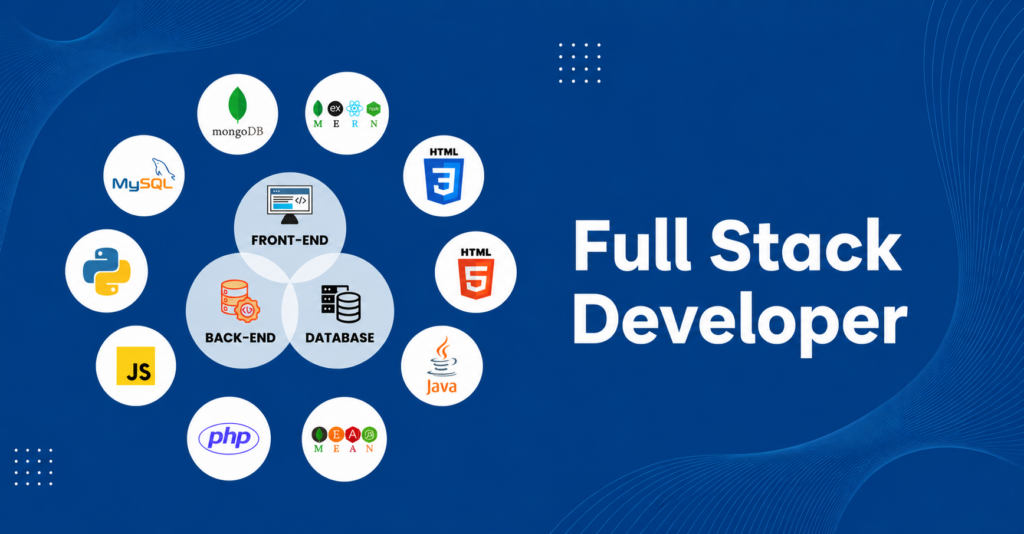
A Full Stack Developer is a professional who can work on both the client-side (front-end) and server side (back-end) of a web application. They are responsible for designing user interfaces, developing APIs, managing databases, and ensuring that the entire application functions smoothly. Because they understand multiple technologies, they can handle various stages of the software development lifecycle. Full stack developers commonly work with technologies such as HTML, CSS, JavaScript, React, Angular, Node.js, Python, Java, PHP, MySQL, MongoDB, and Git. Their versatility makes them valuable in startups and organizations where developers are expected to manage multiple aspects of a project.
Who Is a Software Engineer?
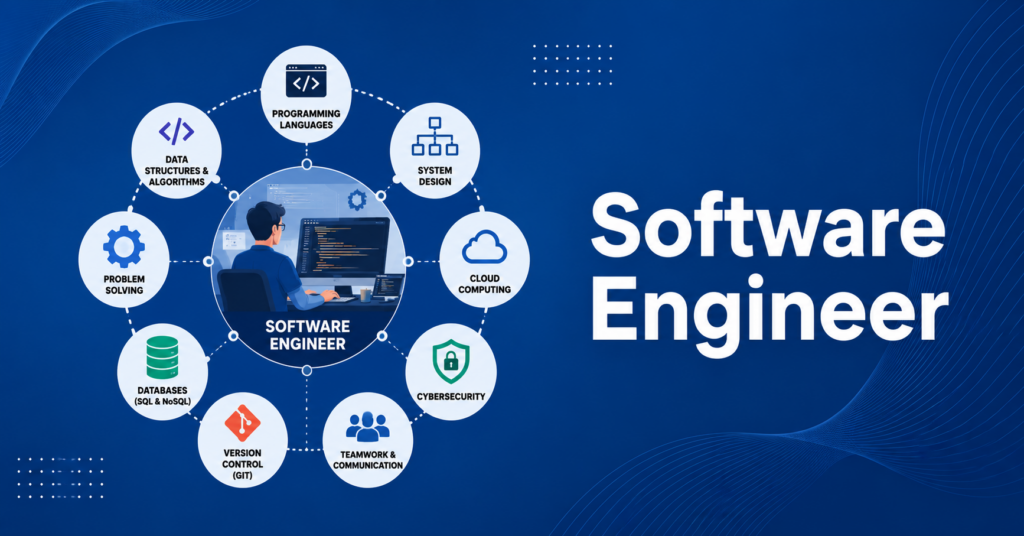
A Software Engineer applies engineering principles to design, develop, test, and maintain software systems. Unlike full stack developers, software engineers often specialize in a particular domain such as backend development, cloud computing, artificial intelligence, mobile applications, cybersecurity, or system architecture. Their work focuses on creating scalable, secure, and efficient software solutions. Software engineers typically collaborate with product managers, designers, quality assurance teams, and other developers throughout the software development process. Their expertise in algorithms, data structures, software architecture, and problem solving enables them to build applications that meet business requirements while maintaining high performance and reliability.
Key Differences Between a Full Stack Developer vs Software Engineer
- Scope of Work – Full Stack Developers manage both Frontend and backend development, whereas Software Engineers focus on designing and developing software systems based on engineering principles.
- Primary Focus – Full Stack Developers prioritize delivering complete web applications, while Software Engineers emphasize software architecture, performance, scalability, and maintainability.
- Skill Set -Full Stack Developer require knowledge of multiple web technologies. Software Engineers need a deeper understanding of programming concepts, algorithms, data structures, and software design.
- Project Involvement – Full Stack Developers usually work across different layers of an application, whereas Software Engineers may specialize in one area of software development.
- Career Flexibility – Full Stack Developers can easily transition between front-end and back-end roles, while Software Engineers often progress into specialized or leadership positions.
Skills Required for Both Careers
Whether you choose to become a Full Stack Developer or a Software Engineer, developing a strong technical foundation and essential soft skills is crucial for long term success. Both careers require proficiency in programming languages such as Java, Python, JavaScript, C#, or C++, depending on the technologies used by the organization. In addition to coding, professionals should understand both SQL and NoSQL databases to efficiently store, retrieve, and manage application data. Strong problem-solving and analytical thinking skills are equally important, as they help developers identify bugs, optimize code, and create reliable software solutions. Familiarity with version control systems like Git and GitHub is another essential skill, enabling teams to collaborate effectively, track code changes, and manage software projects efficiently. Beyond technical expertise, communication and teamwork play a significant role in software development.
Career Opportunities and Salary Comparison
Both Full Stack Developers and Software Engineers enjoy excellent career opportunities due to the growing demand for skilled technology professionals across various industries. Full Stack Developers can pursue roles such as Full Stack Developer, Web Developer, Front-End Developer, Back-End Developer, and MERN or MEAN Stack Developer, where they work on different layers of web applications. Software Engineers, on the other hand, can specialize in positions such as Software Engineer, Backend Engineer, Cloud Engineer, DevOps Engineer, AI Engineer, or Systems Engineer, depending on their expertise and interests. These professionals are highly sought after in IT companies, startups, fintech, healthcare, education, e-commerce, and many other sectors undergoing digital transformation. Salary potential for both careers is competitive and generally increases with experience, technical skills, certifications, and the complexity of projects handled.
Advantages and Challenges of Each Career
- Advantages of Full Stack Development: Offers versatility, diverse project experience, and the ability to work on complete web applications.
- Challenges of Full Stack Development: Requires continuous learning because technologies and frameworks evolve rapidly.
- Advantages of Software Engineering: Provides opportunities to work on complex systems, cutting-edge technologies, and large-scale enterprise applications.
- Challenges of Software Engineering: Requires a strong foundation in computer science concepts and advanced problem-solving skills.
- Choosing Based on Interest: Individuals who enjoy variety may prefer full stack development, while those interested in system design and engineering principles may excel as software engineers.
How to Choose the Right Career for Your Goals
Choosing between a Full Stack Developer and a Software Engineer depends on your interests, career aspirations, and preferred work style. If you enjoy creating complete web applications, designing user interfaces, managing databases, and working with both front-end and back-end technologies, a career in Full stack trends is an excellent choice. It offers versatility and allows you to contribute to every stage of web application development. On the other hand, if you are passionate about software architecture, algorithms, system design, and solving complex technical challenges, software engineering may be a better fit. Consider factors such as your learning preferences, the technologies you enjoy working with, and your long term career objectives before making a decision. Research industry trends, explore job descriptions, and try hands on projects in both fields to understand your strengths. Ultimately, choosing a career that aligns with your interests and continuously improving your skills will lead to greater job satisfaction and long-term professional success.
Tips to Start Your Career in Full Stack Development or Software Engineering
- Starting a successful career in Full Stack Development or Software Engineering requires dedication, continuous learning, and practical experience.
- Begin by building a strong foundation in programming languages such as Java, Python, or JavaScript, along with essential computer science concepts like data structures and algorithms.
- Learn popular frameworks, database management systems, and version control tools such as Git and GitHub to improve your technical skills. Working on real world projects and creating a professional portfolio will help showcase your abilities to potential employers.
- You should also participate in internships, coding challenges, and open source projects to gain hands on experience and strengthen your resume.
- Earning industry recognized certifications and staying updated with the latest technologies can further enhance your career prospects.
- Most importantly, develop communication, teamwork, and problem solving skills, as these qualities are highly valued by employers and contribute significantly to long-term career growth in the software industry.
Conclusion
Both Full Stack Developers and Software Engineers play vital roles in the modern technology industry, and each career offers unique opportunities for growth, innovation, and long term success. There is no single career path that is better than the other, as the right choice depends on your interests, technical strengths, and professional goals. If you enjoy working with both front-end and back-end technologies while building complete web applications, becoming a Full Stack Developer can be a rewarding career. Alternatively, if you are interested in software architecture, system design, algorithms, and creating scalable software solutions, a career as a Software Engineer may be the ideal fit. Before making a decision, explore both fields through online courses, personal projects, and internships to understand which aligns best with your skills and aspirations.