

Table of Contents
Introduction
Social media has changed how businesses connect with customers, making it one of the most effective digital marketing channels today. Platforms like Facebook, Instagram, LinkedIn, X, YouTube, Pinterest, and TikTok let brands reach millions without needing huge advertising budgets. However, just creating social media accounts and posting content occasionally won’t lead to meaningful results. Without a solid strategy, businesses often find it hard to attract followers, generate engagement, and convert audiences into customers. This is why beginners should learn how to build a social media marketing strategy before investing time and money in online marketing.
A social media marketing strategy acts as a roadmap that defines your business goals, identifies your ideal audience, chooses the right platforms, and determines what kind of content works best. Whether you are a student, freelancer, entrepreneur, startup owner, or small business owner, having a structured strategy helps you maximize your marketing efforts while avoiding common mistakes. In this guide, you will learn the essential steps to create a successful social media marketing strategy that supports long-term business growth and improves your online presence.
What Is Social Media Marketing Strategy?
A social media marketing strategy is a detailed plan that outlines how a business or individual will use social media platforms to achieve specific marketing goals. Instead of posting random images or videos, a strategy helps you define your goals, understand your target audience, create valuable content, schedule posts regularly, and measure performance over time. It serves as a blueprint that ensures every piece of content aligns with your business objectives.
An effective social media marketing strategy includes several important elements, such as audience research, platform selection, content planning, branding, engagement techniques, and performance analysis. These components work together to raise brand awareness, build customer trust, drive website traffic, and boost sales or lead generation. Beginners who start with a clear strategy often experience faster growth because their marketing activities are focused and measurable. As social media algorithms change, businesses that follow a strategic approach are more likely to succeed than those relying on guesswork.
Why Every Beginner Needs a Social Media Marketing Strategy
Many beginners believe that success on social media comes down to creating attractive graphics or posting entertaining videos. While good content matters, consistent growth requires thoughtful planning and execution. A social media marketing strategy helps beginners understand their audience, prioritize business goals, and allocate resources effectively. Without a strategy, businesses often post inconsistent content, target the wrong audience, and waste advertising budgets without seeing real results.
A clear strategy also improves brand consistency across different social media platforms. Customers are more likely to trust brands that communicate with a consistent voice, maintain a recognizable visual identity, and share valuable information regularly. Additionally, having a strategy makes it easier to evaluate marketing performance through analytics. Businesses can see what types of content get the most engagement, which platforms drive the most traffic, and where improvements are needed. This ongoing optimization helps beginners make data-driven decisions that boost long-term marketing success.
Set Clear Social Media Marketing Goals
The first step in building a successful social media marketing strategy is to set clear and realistic goals. Every business has different objectives, so your social media activities should support your overall marketing plan. Some businesses aim to increase brand awareness, while others focus on generating leads, driving website traffic, improving customer engagement, or boosting product sales. Defining your goals helps determine what type of content you should create and what metrics to track.
Setting SMART goals is one of the best approaches for beginners. SMART stands for Specific, Measurable, Achievable, Relevant, and Time-bound. Instead of a vague goal like “gain more followers,” a SMART goal would be “increase Instagram followers by 20% within the next three months through educational content and consistent posting.” Clear goals provide direction and motivation while making it easier to evaluate campaign performance. They also help businesses spend their advertising budgets more wisely and focus on marketing activities that deliver measurable results.
Identify Your Target Audience
Understanding your target audience is one of the most important parts of any social media marketing strategy. Even great content will fall flat if it reaches people who aren’t interested in your products or services. Beginners should spend time researching their ideal customers, considering factors like age, gender, location, education, occupation, interests, online behavior, purchasing habits, and preferred social media platforms.
Audience research allows businesses to create highly relevant content that meets customer needs, solves problems, and answers common questions. For instance, a digital marketing institute might target students, recent graduates, entrepreneurs, and working professionals looking for career growth, while an online fashion store might focus on young adults interested in lifestyle and fashion trends. Creating audience personas helps visualize different customer segments and ensures content speaks directly to each group’s interests. The better you understand your audience, the easier it is to build trust, increase engagement, and turn followers into loyal customers.
Choose the Right Social Media Platforms
Not every social media platform fits every business. Beginners often make the mistake of trying to have a presence on every platform at once, which can become overwhelming and hurt content quality. Instead, businesses should focus on platforms where their target audience is most active and where they can promote their products or services effectively.
Facebook is still great for local businesses, community interaction, and paid advertising campaigns because of its extensive targeting options. Instagram is perfect for visual storytelling, product showcases, Reels, and influencer collaborations. LinkedIn works best for B2B marketing, professional networking, and educational content aimed at working professionals. YouTube offers excellent opportunities for tutorials, product demos, educational videos, and long-form content that can continue generating traffic over time. TikTok is increasingly popular with younger audiences thanks to short, creative videos, while Pinterest is effective for fashion, home decor, travel, food, and lifestyle businesses.
Choosing the right platforms allows businesses to focus their resources better and create higher-quality content tailored to each platform’s audience and content format. As your business grows, you can gradually expand to other platforms while keeping consistency across all marketing channels.
Analyze Your Competitors
Competitor analysis offers valuable insights that help beginners see what works in their industry. Studying successful competitors doesn’t mean copying their content; it means learning from their strategies, finding content gaps, and spotting chances to differentiate your brand. By observing competitors, businesses can discover popular content formats, posting frequency, audience engagement styles, advertising methods, and branding techniques.
Analyzing competitors also helps businesses understand customer expectations and industry trends. For example, if several competitors regularly post educational videos that get high engagement, it suggests that audiences appreciate informative content in that niche. Beginners can then create unique, higher-quality content that adds more value while keeping their own brand identity.
Competitor research should also involve reviewing customer comments and feedback. Reading customer questions, complaints, and suggestions helps pinpoint common pain points that your business can address through valuable content. This customer-focused approach builds trust, establishes authority, and increases the chances of attracting potential customers looking for reliable information.
Create a Content Strategy and Content Calendar
Once you’ve established your goals, audience, platforms, and competitor insights, the next step is to develop a clear content strategy. A content strategy defines what type of content you will publish, how often you will post, and how each piece of content supports your marketing goals. Consistency plays a vital role in building audience trust and maintaining visibility within social media algorithms.
A content calendar helps organize posts in advance, reducing last-minute stress and ensuring regular publishing. Businesses can schedule educational posts, industry news, customer testimonials, behind-the-scenes content, product demos, success stories, promotional campaigns, seasonal offers, and interactive content throughout the month. Planning content ahead of time also allows marketers to align campaigns with holidays, product launches, or special events.
An effective content strategy balances promotional content with educational and entertaining posts. Audiences are more likely to engage with brands that offer useful information instead of constant sales pitches. Sharing valuable tips, answering frequently asked questions, publishing case studies, and creating engaging videos positions your business as an industry expert while encouraging long-term audience loyalty.
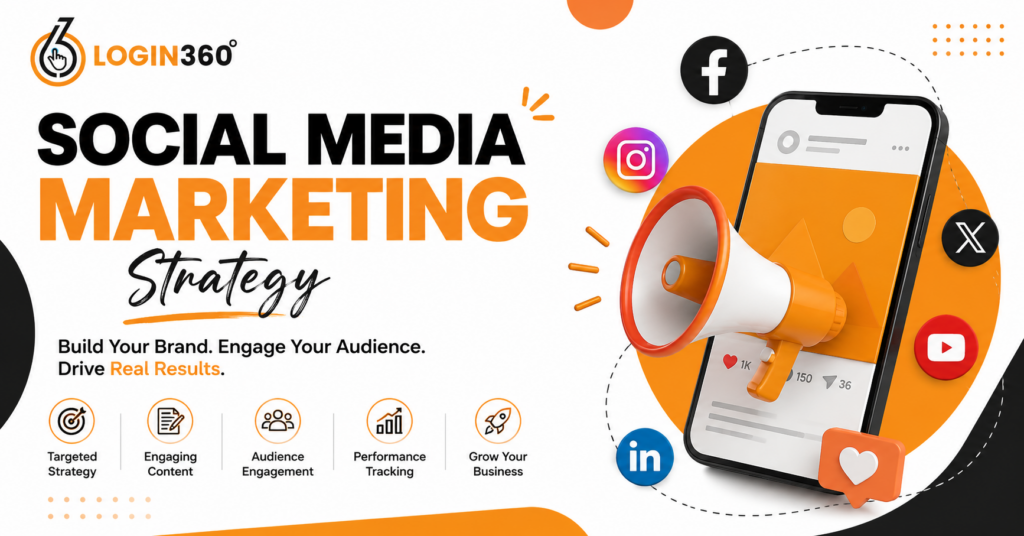
Develop High-Quality and Engaging Content
Content is the foundation of every successful social media marketing strategy. High-quality content grabs attention, encourages engagement, and drives audiences to act. Beginners should create content that offers value instead of just promoting products or services. Educational articles, informative videos, infographics, customer success stories, live sessions, polls, quizzes, and short-form videos are all great formats for boosting engagement.
Visual quality also matters in social media success. Well-designed graphics, professional branding, appealing typography, and consistent color schemes enhance brand recognition and improve user experience. Video content is increasingly important because social media platforms often prioritize videos in their algorithms. Short-form videos, especially Instagram Reels and YouTube Shorts, give businesses an effective way to expand reach, attract new audiences, and boost engagement rates.
Storytelling is a strong technique that helps businesses connect emotionally with their audience. Sharing real customer experiences, company achievements, employee stories, or business journeys adds authenticity and builds trust. Every piece of content should have a clear purpose and encourage users to interact through comments, shares, likes, or website visits. By consistently publishing valuable, engaging, and relevant content, beginners can establish authority in their niche while steadily growing their online community.
Future Trends in Social Media Marketing
- The future of social media marketing is being shaped by artificial intelligence, short-form video content, personalization, and social commerce.
- AI tools help marketers create content, manage customer interactions, analyze audience behavior, and improve campaigns more effectively.
- Platforms like Instagram, Facebook, TikTok, and YouTube continue to prioritize engaging video content, making Reels, Shorts, and live streaming vital for expanding reach and engagement.
- Social commerce is also growing quickly, allowing customers to find and buy products directly within social media apps without visiting other websites.
- Additionally, influencer marketing is shifting toward partnerships with micro and nano influencers who build stronger trust and genuine relationships with their audiences.
- Businesses are also focusing on community building through private groups, interactive content, and personalized messaging to enhance customer loyalty.
- As privacy regulations evolve, first-party data and ethical marketing practices will become increasingly important.
- Brands that embrace new technologies, create valuable content, and respond to changing consumer preferences will stay competitive.
- Keeping up with these trends will help beginners and businesses achieve long-term success in the changing landscape of social media marketing.
Conclusion
Creating a successful social media marketing strategy takes careful planning, consistency, and ongoing improvement. Beginners who define their goals, understand their audience, choose the right platforms, analyze competitors, develop a structured content strategy, and consistently share high-quality content are more likely to succeed in the long run than those who post randomly. Social media is no longer just a communication platform; it has become a necessary business tool for building brand awareness, generating leads, increasing customer engagement, and driving sales.
As social media platforms continue to change, businesses must stay flexible and respond to shifting trends, algorithms, and customer expectations. Regularly reviewing performance data and adjusting your strategy based on analytics will help maximize marketing results over time. With patience, creativity, and a well-planned social media marketing strategy, beginners can build a strong online presence, attract loyal customers, and achieve sustainable business growth in today’s competitive digital world.