

Table of Contents
Introduction
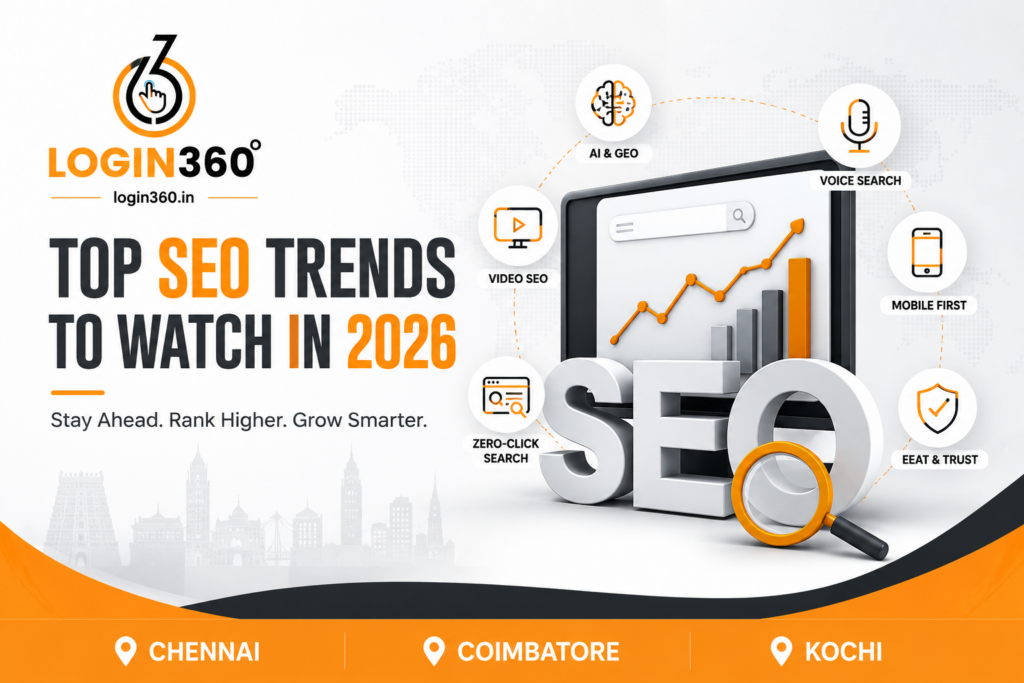
Search Engine Optimization (SEO) keeps changing as search engines get smarter and users expect more. In SEO trends, businesses need to go beyond just optimizing for keywords. They should aim to provide valuable, trustworthy, and engaging content. Artificial intelligence, voice search, user experience, and semantic search are changing how websites rank in search results. Staying current with these trends allows businesses to improve online visibility, attract the right traffic, and stay competitive in the digital market.
The Evolution of SEO
SEO trends has shifted from simply targeting keywords to creating complete experiences that meet user intent. Search engines now assess website quality based on content relevance, authority, page speed, and user engagement. Modern SEO strategies mix technical optimization, high quality content, and good user experience. Companies that grasp this change can adjust their marketing strategies and keep sustainable organic rankings as search algorithms grow more sophisticated.
AI Powered Search and Generative Engine Optimization (GEO)
Artificial intelligence is a major force driving innovation in search engines in. AI powered search engines provide direct answers, summaries, and recommendations to SEO trends from trusted sources, instead of just showing traditional search results. Generative Engine Optimization (GEO) focuses on crafting authoritative, well structured, and informative content that AI systems can easily understand and reference. Websites that produce accurate, original, and comprehensive content have better chances of showing up in AI generated search results.
Search Intent and User Experience Take Center Stage
Understanding search intent is now more crucial than just matching exact keywords. Search engines look at whether users seek information, products, services, or specific websites before ranking pages. Businesses should create content that directly answers user questions and provides a smooth browsing experience. Quick loading pages, easy navigation, mobile responsiveness, and engaging layouts enhance user satisfaction, leading to better rankings and more conversions.
Zero Click Searches and Featured Results
Many users now get answers straight from the search results page without clicking on a website. Featured snippets, AI generated summaries, knowledge panels, and rich results are part of the growing trend known as zero click searches. To stay visible, businesses should optimize content with clear answers, structured headings, schema markup, and question based sections. Even if users don’t click right away, appearing in these prominent search features boosts brand awareness and authority.
Voice Search and Conversational SEO
Voice search is becoming more popular as consumers rely on smart speakers, smartphones, and virtual assistants for quick information. Unlike traditional searches, voice queries tend to be longer and more conversational, making natural language optimization crucial. Businesses should include question based content, long tail keywords, and locally relevant information to enhance voice search visibility. Providing clear and direct answers helps search engines find content suitable for spoken search results.
Video SEO and Visual Search Growth
Visual content is increasingly vital in modern SEO strategies. Search engines now prioritize videos, images, and visual search experiences because users favor interactive content. Optimizing videos with descriptive titles, transcripts, captions, and structured metadata increases discoverability across search platforms. Likewise, using high quality images with descriptive alt text improves accessibility while creating more chances to appear in visual search results, driving more organic traffic.
Topical Authority Over Keyword Density
Keyword stuffing is no longer a successful SEO tactic. Search engines now reward websites that show deep knowledge across entire subjects instead of just focusing on single keywords. Building topical authority means publishing connected articles that thoroughly cover a niche while addressing related user questions. Internal linking, expert insights, and regularly updated content help establish credibility, allowing websites to rank higher for various relevant search queries.
EEAT: Building Trust and Credibility
Experience, expertise, authoritativeness, and trustworthiness (EEAT) are key ranking factors. Search engines prioritize content from knowledgeable authors backed by reliable sources. Businesses should highlight industry expertise through detailed articles, author profiles, customer testimonials, and clear business information. Building trust also means maintaining secure websites, earning quality backlinks, and regularly publishing accurate, well researched content that helps users make informed choices.
Mobile First and Core Web Vitals Optimization
Mobile devices dominate internet usage, making mobile first optimization a top SEO priority. Search engines mainly assess the mobile version of a website to determine rankings. Core Web Vitals, such as loading speed, visual stability, and responsiveness, greatly affect user satisfaction and search performance. Businesses should optimize images, reduce unnecessary scripts, implement responsive design, and enhance server performance to provide fast, smooth, and engaging mobile experiences.
Structured Data and Semantic Search
Structured data helps search engines understand website content by offering additional context about products, services, articles, events, and more. In semantic search focuses on interpreting user intent and the relationships between concepts rather than matching exact keywords. Using schema markup increases the chances of appearing in rich snippets, knowledge panels, and enhanced search features. Well structured content with meaningful context boosts visibility and improves the overall search experience.
Local SEO Trends for Businesses
Local SEO remains essential for businesses targeting specific geographic areas. Consumers increasingly search for nearby products and services using mobile devices and voice assistants. Optimizing business profiles, maintaining consistent contact information, gathering positive customer reviews, and creating location specific content enhance local search visibility. Businesses that actively engage with local communities and provide accurate details are more likely to show up in local search results and map listings.
Content Freshness and Continuous Optimization
Publishing high quality content is just the start of an effective SEO trends strategy. Search engines favor websites that frequently update existing pages with accurate information, current statistics, and relevant industry insights. Refreshing older articles helps maintain rankings and improves user satisfaction. Continuous optimization also means monitoring performance metrics, identifying outdated information, and refining content to match changing search behavior and evolving algorithm updates.
Privacy, First Party Data, and the Cookieless Future
As online privacy rules evolve, businesses must adjust to a future with less reliance on third party cookies. First party data, collected directly from customers through subscriptions, registrations, and website interactions, is increasingly valuable. Clear data collection practices, secure websites, and straight forward privacy policies help build user trust while supporting personalized marketing strategies. Businesses that focus on ethical data management will strengthen customer relationships and adapt to changing privacy standards.
How Businesses Can Prepare for SEO Success
To prepare for SEO success in, businesses need a balanced strategy that combines technical quality, valuable content, and user focused experiences. They should invest in AI friendly content creation, optimize website performance, strengthen topical authority, and regularly monitor search trends. Conducting SEO audits, performing competitive analysis, and tracking performance help identify areas for improvement. Organizations that stay flexible and embrace new technologies will be in a better position for sustainable organic growth.
Conclusion
SEO in goes beyond keyword optimization and backlink building. Success relies on creating trustworthy, engaging, and user focused content while adapting to advancements in artificial intelligence, semantic search, and changing search behaviors. Businesses that prioritize user experience, technical optimization, and reliable information will stay competitive in a shifting digital landscape. By remaining updated on these SEO trends and adjusting strategies, organizations can boost visibility, attract qualified traffic, and achieve long term online success.


[…] storytelling, product showcases, Reels, and influencer collaborations. LinkedIn works best for B2B marketing, professional networking, and educational content aimed at working professionals. YouTube offers […]
[…] Search Engine Optimization (SEO) is the process of improving a website’s visibility on search engines like Google. The primary goal of SEO is to increase organic (non-paid) traffic by helping webpages rank higher in search results. SEO involves optimizing website content, improving page speed, building quality backlinks, and using relevant keywords. When done correctly, SEO helps businesses attract visitors who are actively searching for their products or services. […]